
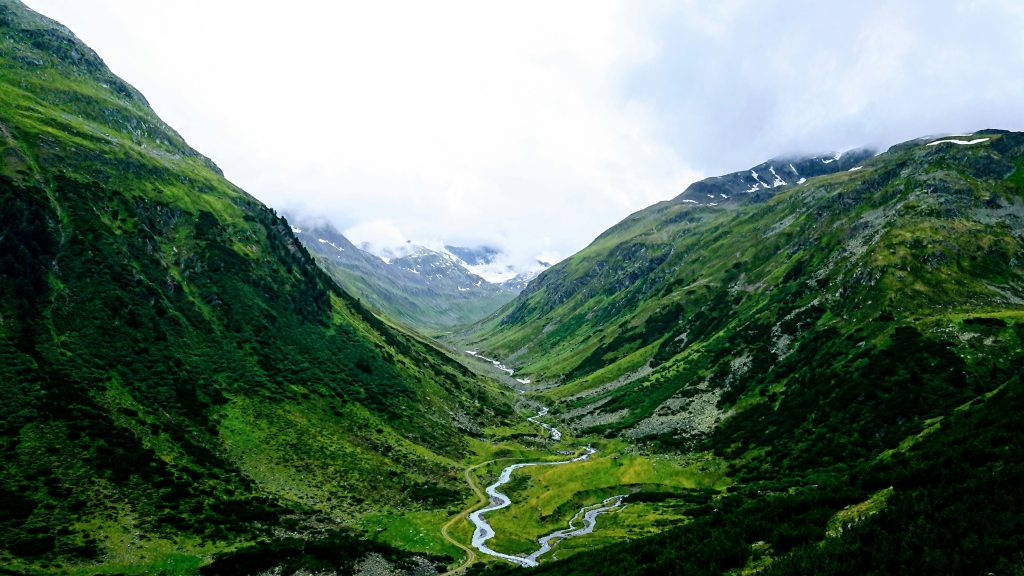
The land doesn’t reveal its full shape at once. It rises, then folds, then stretches beyond what you can follow in a single glance. One ridge appears clearly, then another behind it, then something further that doesn’t fully settle into view. The colour shifts as you move—green at first, then darker where shadow gathers, then lighter again where the light holds longer. It doesn’t stay consistent from one moment to the next. There’s movement, though it doesn’t draw attention to itself. Wind passes through the slopes, then disappears without leaving anything behind.
Where the Ridges Begin
The Apennines don’t form a single line. They repeat, though not exactly. One ridge leads into another, then breaks slightly, then continues again. The slopes feel uneven, though not sharply. Some rise more gradually, others drop away without warning. A brief announcement carries the Florence to Venice train, then fades into the background before it becomes anything more than a passing detail. The landscape remains unchanged.
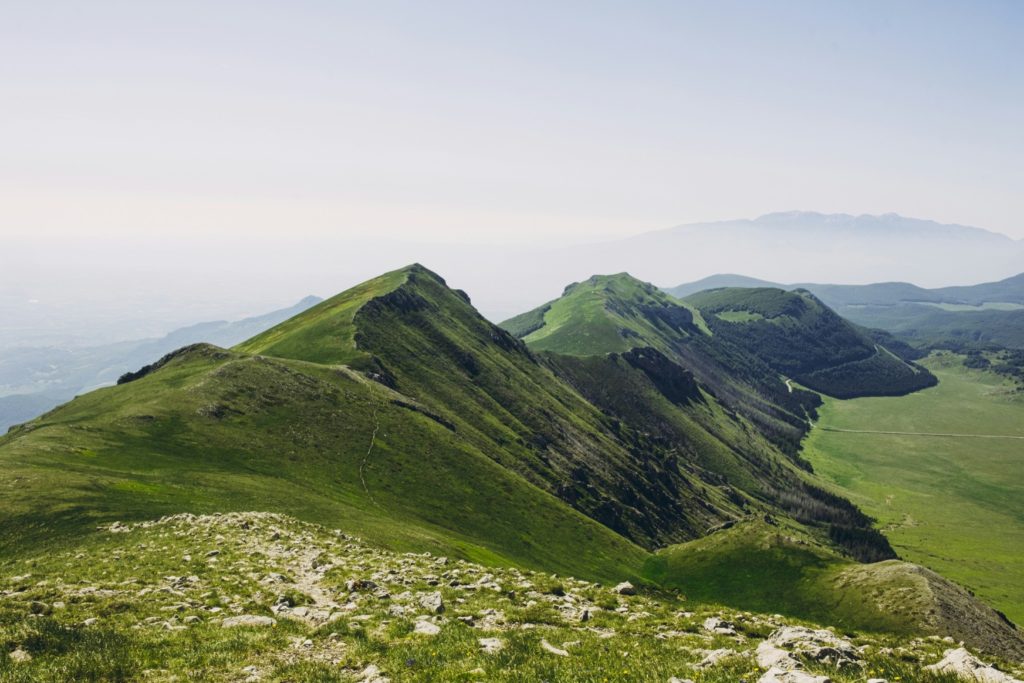
What the Ground Holds
The surface shifts with each step. Grass, then firmer earth, then something less stable that slows you slightly. The pattern of the ridges doesn’t stay clear. You follow one line, then lose it, then find something similar nearby. A line of moving text briefly includes the train from Naples to Florence, then slips away before it fully registers. Nothing interrupts the space.
Between One Ridge and the Next
Distance doesn’t behave the same here. What feels close remains further away than expected. You move forward, though it doesn’t feel like you’re approaching anything specific. The horizon changes with each step—it rises, then lowers, then disappears behind the next slope. You don’t follow it directly.
Movement That Carries Through
At some point, the land begins to shift. The ridges soften. The elevation lowers. The sense of height becomes less noticeable. You don’t notice when it begins, only that it already has. The air feels different here—less contained.
Where the Land Opens
The Po Valley doesn’t gather in layers. It spreads. The ground flattens, though not immediately. The change happens gradually, with fewer rises and more open stretches. The colour shifts again. Greens become more even, less interrupted by shadow. You don’t see a clear boundary where one landscape ends.
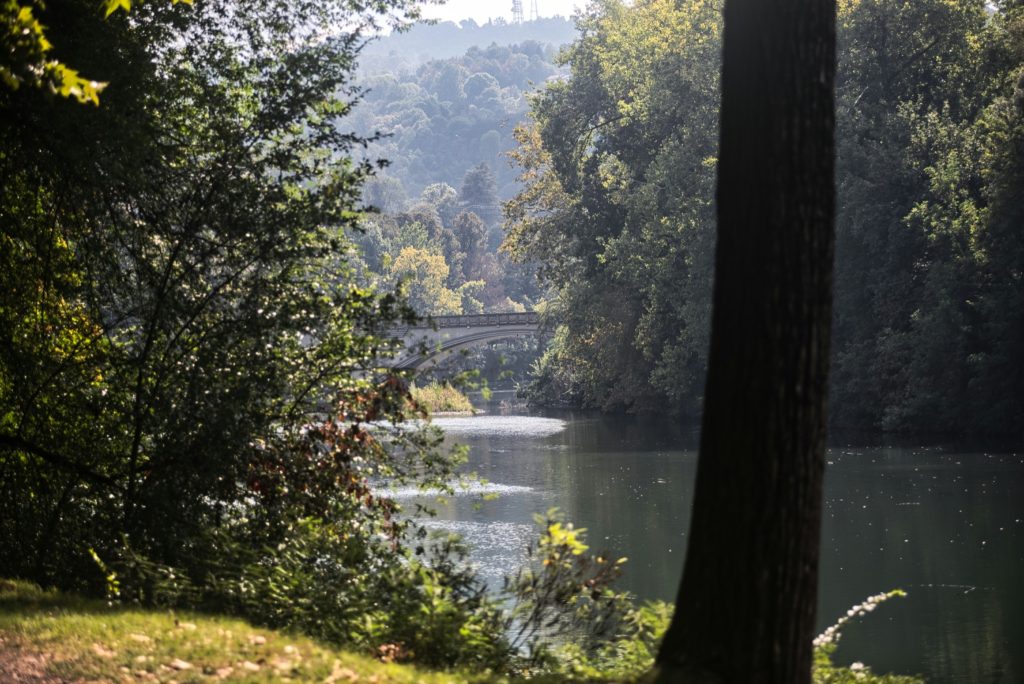
What the Plains Hold
The surface feels more consistent here. It doesn’t change as often underfoot. The horizon becomes more defined, though it still shifts depending on where you stand. You notice distance differently. It stretches outward without drawing attention to itself. Nothing stands out for long.
Between Distance and Direction
Movement feels less structured. You walk without aiming toward anything specific. The land doesn’t guide you in a clear direction. The space remains open, though not empty. You don’t measure progress.
Where the Line Extends
The plains continue without suggesting an end. Small variations appear, then disappear again—a slight rise, then flat ground, then something in between. You don’t follow a path so much as move across it. Nothing asks you to.
What Doesn’t Settle
The difference between the mountains and the plains doesn’t stay fixed. One feels layered, the other open. Still, they remain connected through the gradual shift between them. You notice it over time. It doesn’t form a clear contrast.
The Space Between Landscapes
The transition doesn’t divide into stages. It carries through in smaller changes—rising ground to level surface, contained space to openness. Nothing interrupts it. You don’t feel like you’ve arrived somewhere entirely separate.
A Landscape That Continues
Looking back, the details don’t return in order. The ridges, the open plains, the way the space changed between them overlap rather than form a sequence. They sit alongside each other without needing to connect directly. There is no clear ending point, only the sense that the landscape continues beyond where you last saw it.