
The landscape doesn’t reveal itself in a single moment. It gathers through shifts you notice only after they’ve happened. A slope softens, the air thickens slightly, and something changes before you can name it.
The light moves differently here. It diffuses rather than settles, spreading across surfaces without holding them in place. Shapes appear, then blur, then return in altered forms.
Nothing feels entirely still.
Where the Air Turns Visible
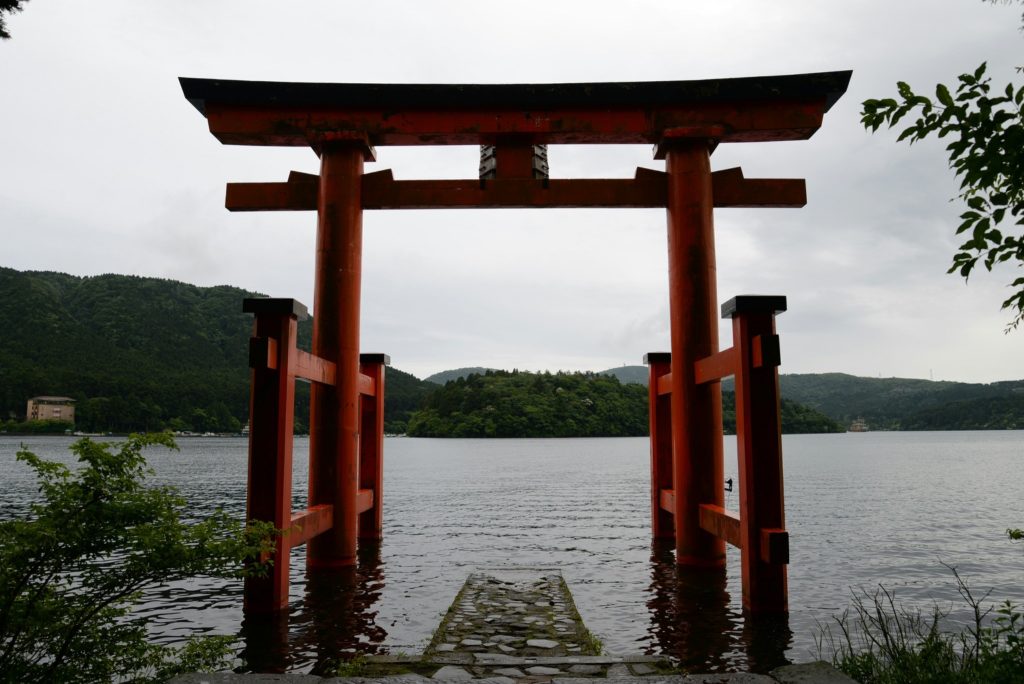
Hakone forms through layers of movement you can’t fully see. Steam rises from the ground, drifting slowly before dissolving into the air. It doesn’t hold its shape for long.
The ground beneath feels stable, though the surface changes in small ways. Rock, then soil, then something damp where the air settles closer.
Printed across the corner of a travel leaflet, tours to Japan appears among other lines, then disappears as the page shifts in the breeze.
The space continues.
What the Heat Carries Upward
The air feels heavier here, though not oppressive. It moves slowly, carrying warmth that comes and goes without warning.
You notice changes after they pass. A patch of steam thickens, then thins, then disappears entirely.
On a narrow booking screen set near the entrance, South Korea tour packages scrolls briefly among other destinations before fading from view.
Nothing interrupts the rhythm.
When the Edges Blur
The boundaries don’t stay clear. Steam softens the lines of the landscape, making distances harder to judge.
You walk forward, though it doesn’t feel like moving toward anything specific.
The view adjusts constantly.
The Moment the Atmosphere Shifts
At some point, the air begins to feel lighter. The steam thins. The space opens slightly.
You don’t notice when it begins. Only that it already has.
The rhythm remains, though it changes form.
Where the Structure Emerges
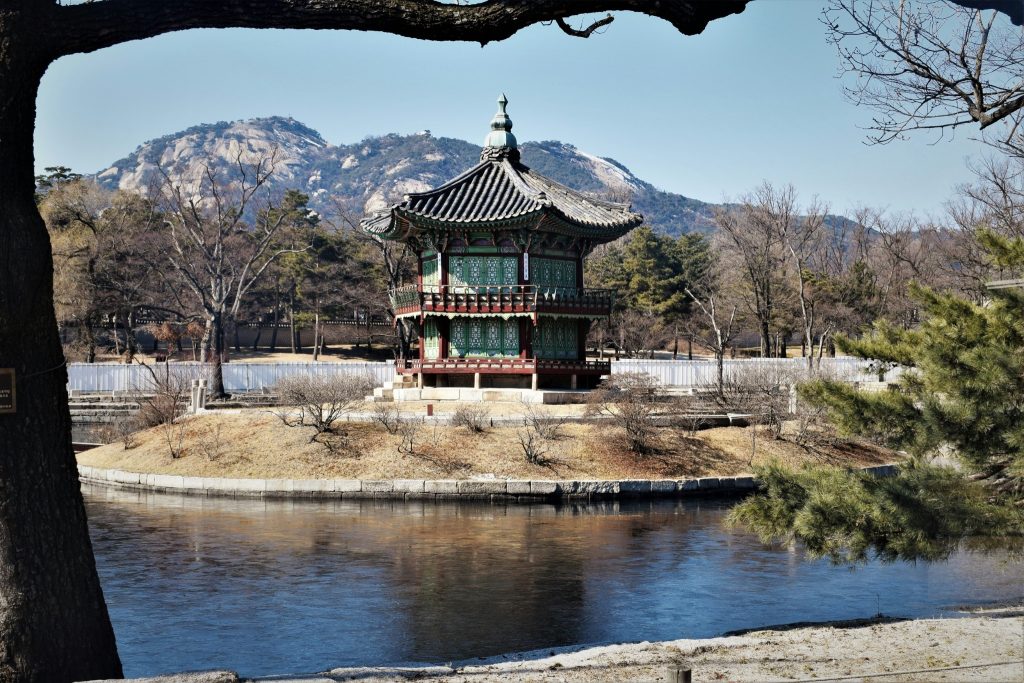
Seoul gathers through contrast. The palaces don’t rise above everything else. They sit within the city, holding their space without separating from it.
The lines feel more defined here. Roofs curve gently, extending outward in shapes that remain visible even as the light changes.
You don’t see the full structure at once.
What the Courtyards Hold in Place
The space feels contained, though not closed. Courtyards open, then connect to others, forming a sequence that doesn’t follow a strict order.
The ground remains even, though the surroundings shift with each step.
You notice details without focusing on them directly.
Between Stillness and Passage
Movement continues, though it feels quieter. Steps echo briefly, then disappear.
You pause, then continue without marking the moment.
Nothing signals a change.
Where the Space Widens Again
Beyond the palace walls, the city extends outward. Buildings return, though they don’t disrupt what came before.
The edges soften. The boundary between spaces becomes less clear.
You move without deciding where to go.
What Doesn’t Form a Single Impression
The difference between Hakone and Seoul doesn’t organise itself into a clear contrast. One feels shaped by movement, the other by form.
Still, they connect through the way they guide your attention.
You notice it gradually.
What Stays Without Definition
It isn’t only what you saw that remains. It’s the way the space shifted. The rising steam, the still courtyards, the transitions between them.
These moments don’t settle into a single image. They remain slightly out of place, though not disconnected.
You notice them later, without knowing exactly when they returned.
Where It Continues Unresolved
Looking back, the details don’t return in order. The steam, the structures, the changing space between them don’t form a sequence you can follow.
They appear in fragments. A movement in the air, a line of a roof, a shift that didn’t announce itself at the time.
You don’t try to organise it.
It continues beyond what you remember, not as a complete picture, but as something still unfolding somewhere just out of view.